
This is Article #1 in the Web3 with Axl series. Start here.
The internet has gone through three major phases. Each one changed what you could do online. Understanding these three phases is the single most useful thing you can learn before touching anything related to crypto, tokens, or blockchain.
You use the internet every day. You open apps, scroll feeds, watch videos, send messages. It works. You don’t think about it.
But the internet you’re using today is not the internet that existed in 1995. And it’s not the internet that’s being built right now.
The internet has gone through three major phases. Each one changed what you could do online. Understanding these three phases is the single most useful thing you can learn before touching anything related to crypto, tokens, or blockchain.
No technical background needed. Just pay attention to one word that keeps changing: control.
Web1: Read (1990 – 2004)
The first internet was a library.
You could look at web pages. That’s it. Someone created a page, put it online, and you visited it. You read. You didn’t write. You didn’t comment. You didn’t upload. You consumed what was there.
Websites were static. Built in raw HTML. They looked like digital documents: text, a few images, blue hyperlinks. If you wanted a website, you needed to know how to code one. There were no templates, no drag-and-drop editors, no social media.
The important thing about Web1: the people who created websites owned them. They paid for hosting, they controlled the content, and nobody could take it down except them (or their hosting provider). It was decentralized by accident — there was no central platform controlling everything.
But almost nobody could create. The internet was for reading and 99% of people were spectators.
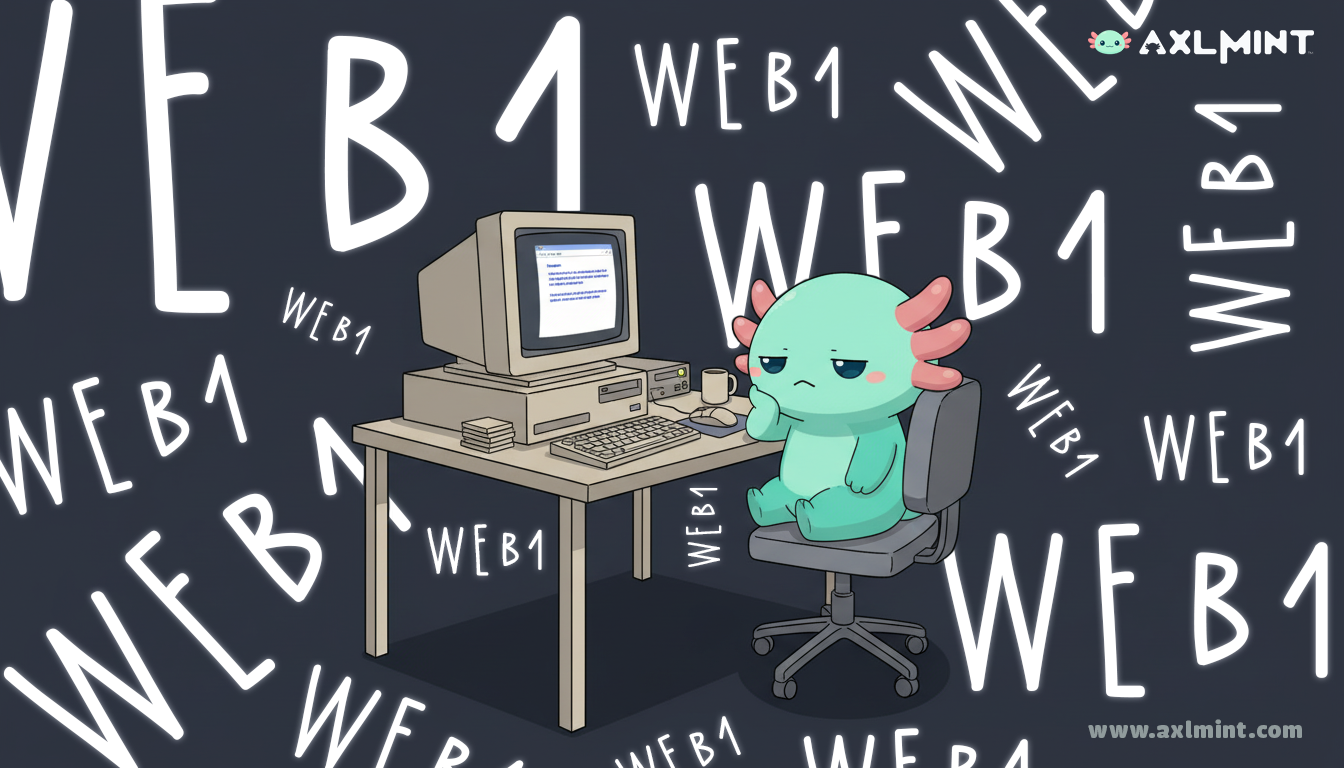
Web1 in one sentence: You could read, but you couldn’t participate.
Web2: Read + Write (2004 – present)
Then came the platforms.
Facebook. YouTube. Instagram. Twitter. Spotify. Uber. Airbnb. Suddenly, anyone could create. You didn’t need to know HTML. You just needed an account.
You could write a blog post on Medium. Upload a video on YouTube. Share photos on Instagram. Build a business on Shopify. The barrier to creation dropped to zero.
This was revolutionary. Billions of people went from spectators to participants. The internet exploded in scale, creativity, and economic activity.
But something shifted. The platforms that made creation easy also became the owners of everything you created.
Your YouTube video lives on Google’s servers. Your Instagram photos are stored by Meta. Your tweets belong to X. You created the content, but you don’t control the infrastructure. The platform does.
This means they can change the rules at any time. They can ban your account. Shadow your posts. Change the algorithm so nobody sees your work. Monetize your data without asking. And if the platform shuts down, your content goes with it.
You went from spectator to creator. But you’re still a tenant, not an owner. You build on rented land.
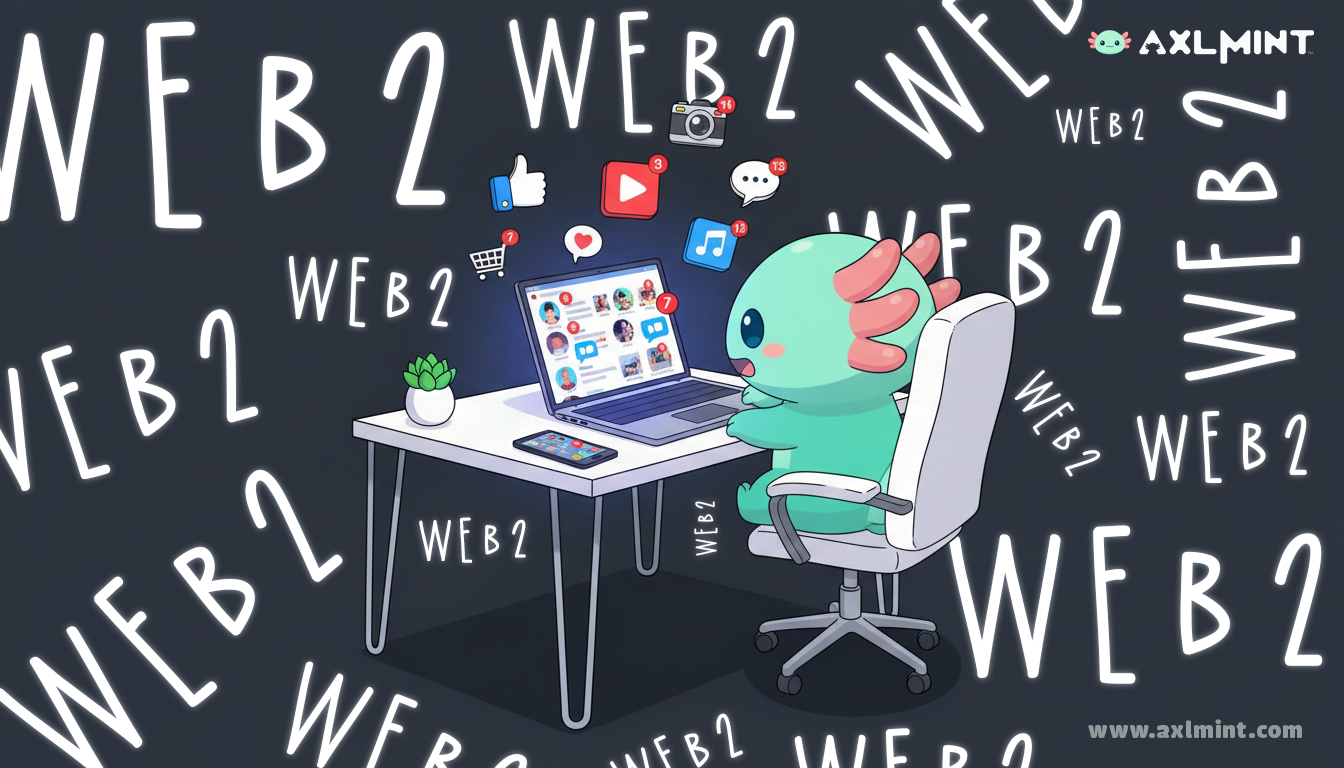
Web2 in one sentence: You could create, but platforms owned everything.
Web3: Read + Write + Own (now)
Web3 is the attempt to fix that last part.
The core idea is simple: what if you could create things online and actually own them? Not “own” as in “it’s on my profile.” Own as in: it’s in your wallet, on a blockchain, controlled by your private key, and nobody can take it away or change the rules on you.
This is where blockchain enters the picture. A blockchain is a shared database that nobody controls alone. Instead of your content living on Google’s servers, it lives on a network of thousands of computers that all verify each other. No single company can edit, delete, or restrict access to what’s stored there.
In practical terms, Web3 means:
You can own digital money without a bank holding it for you. You hold it in your wallet. You send it directly to anyone. No approval needed. That’s cryptocurrency.
You can own digital assets like art, music, tickets, or game items and prove you own them. That’s what NFTs do (whether you like the hype around them or not, the technology of provable digital ownership is real).
You can own a piece of a project by holding its token. Tokens can represent voting power, access to tools, membership in a community, or a share of revenue. That’s the token economy.
You can use financial tools like lending, borrowing, and trading without banks or brokers. Smart contracts handle the logic automatically. That’s DeFi: decentralized finance.
And critically: you can create a token yourself. Not just buy someone else’s, create your own. For your project, your community, your brand. That’s what platforms like AxlMint exist for.
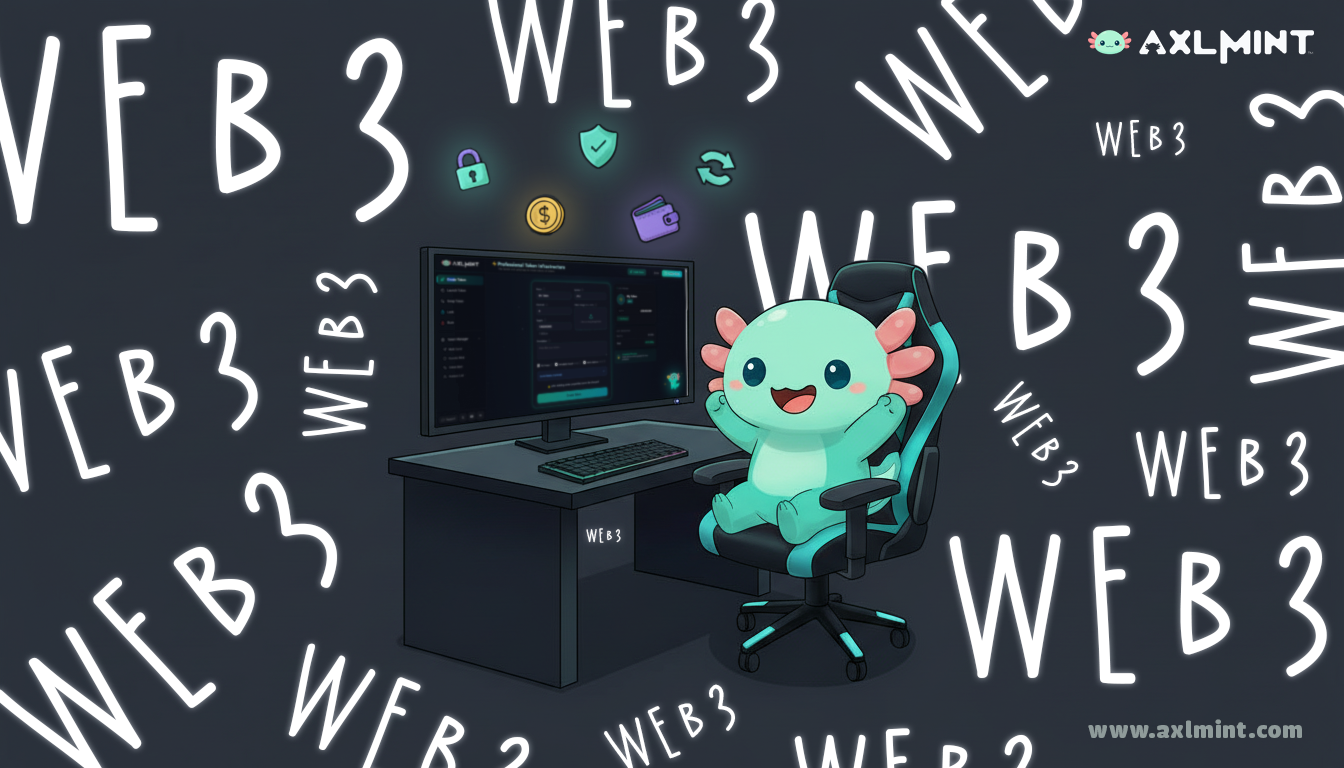
Web3 in one sentence: You can create AND own, without asking permission.
The pattern
Look at the progression:
Web1 → You read what others made.
Web2 → You create, but platforms own it.
Web3 → You create AND own it.
Each step gave more power to the individual. Web3 is the latest step in that direction. It’s not finished. It’s messy. The infrastructure is still being built. But the direction is clear: from consumption to creation to ownership.
Why this matters even if you’re not “into crypto”
You don’t need to buy Bitcoin to benefit from understanding Web3.
If you’re a creator, Web3 means your work doesn’t depend on an algorithm you don’t control. If you’re a business owner, it means you can build a loyalty token that lives in your customer’s wallet, not in your app that they might delete. If you’re a developer, it means you can build applications where users own their data instead of your company hoarding it.
And if you’re just curious, understanding the difference between Web2 and Web3 makes you literate in the most important technology shift happening right now. You don’t have to participate today. But understanding what’s happening puts you years ahead of people who will only notice when it’s mainstream.
What comes next
This was the first layer: why the internet is changing.
The next articles in this series go deeper into each piece of the puzzle: how blockchain actually works, what wallets and seed phrases are, the difference between coins and tokens and how DeFi operates.
By the end, you’ll have enough understanding to make informed decisions, whether that’s creating your own token, investing in a project, or simply knowing what questions to ask.
The internet evolved from reading to creating to owning.
Now you know the map. Let’s walk the path.